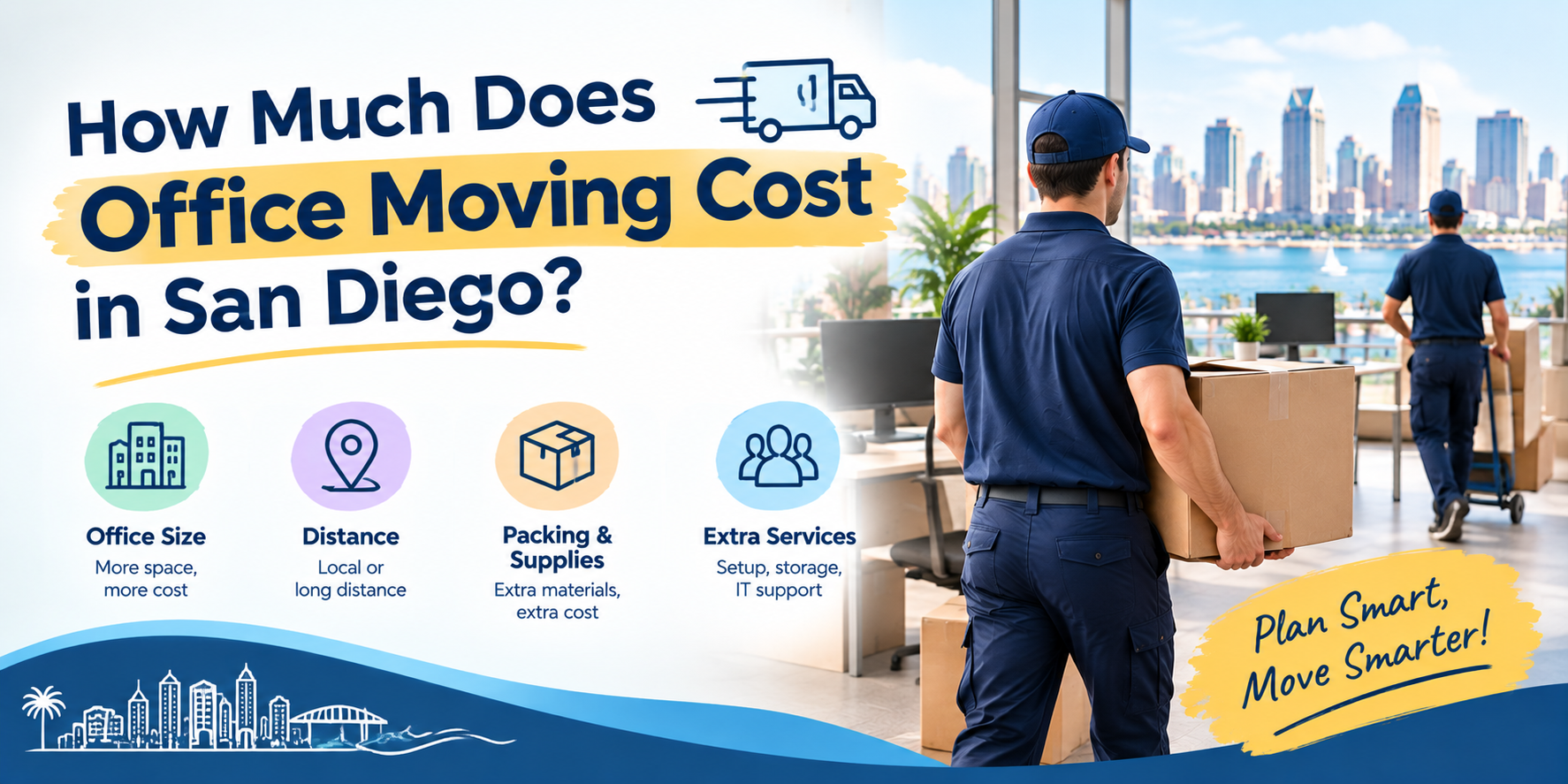
Relocating—whether it’s across San Diego or across the country is a financial juggling act. Without a plan, costs can spiral quickly. However, a well-structured budget transforms a stressful move into a manageable project.
This guide provides a comprehensive breakdown of moving costs, actionable saving tips, and a financial roadmap to ensure your transition to a new home is as smooth as possible.
1. The Pre-Move: Inventory and Decluttering
Before you spend a dime on boxes, you need to know exactly what you own. The volume of your belongings is the single biggest factor affecting your moving quote.
Why Decluttering Saves Money:
-
Lower Weight/Volume: Movers charge based on weight (long-distance) or time (local). Fewer items mean lower costs.
-
Extra Cash: Selling unused furniture or electronics on marketplaces (Facebook, OfferUp) pads your moving budget.
Action Step: Create a “Keep,” “Donate,” and “Sell” pile for every room. Be ruthless—if you haven’t used it in a year, don’t pay to move it.
2. Estimating Professional Moving Costs
Choosing the right moving partner is critical. Prices vary significantly based on distance and service level.
Average Moving Costs (2025 Estimates)
To help you budget, here is a breakdown of typical costs. Note that these are averages and vary by season and demand.
| Move Type | Distance | Estimated Cost Range | Key Cost Factors |
| Local Move | < 50 miles | $800 – $2,500 | Hourly labor rates ($100-$150/hr for 2 movers) |
| Long-Distance | > 100 miles | $3,500 – $10,000+ | Weight of shipment, distance, fuel surcharges |
| Full Service | Any | +$500 – $2,000 | Includes packing services and materials |
Pro Tip: Always get a binding estimate in writing. This protects you from price hikes on moving day.
Understanding Insurance
-
Released Value Protection: Usually free, but only covers ~$0.60 per pound per item. Not recommended for high-value goods.
-
Full Value Protection: Costs about 1% of your total valuation but ensures repair or replacement of damaged items.
3. Packing Materials: Don’t Underestimate the Cost
Packing supplies are often an overlooked expense. Investing in the right materials prevents costly damage to your valuables.
Budget Breakdown:
-
Boxes: Small boxes ($2-$3), Large/Wardrobe boxes ($10-$20).
-
Protection: Bubble wrap, packing paper, and heavy-duty tape.
-
Specialty Kits: Dish packs or TV crates.
How to Save:
Purchase basics like tape and bubble wrap in bulk. For boxes, ask local liquor stores or bookstores for free, sturdy boxes, but ensure they are clean to avoid bringing pests into your new home.
4. Temporary Housing and Storage Solutions
If your move-out and move-in dates don’t align perfectly, you will need a gap plan.
-
Short-Term Rentals (Airbnb/Hotels): Budget $100–$250/night depending on location.
-
Storage Units: A standard 10×10 unit (enough for a 1-bedroom apartment) costs between $100 and $250/month. Climate-controlled units cost more but are essential for wood furniture and electronics.
5. The “Hidden” Costs of Moving
These are the expenses that often catch people off guard. Add a 10-15% buffer to your total budget for these “unforeseen” items:
-
Access Fees: Does your new building need an elevator reservation? Is there a “long carry” fee if the truck can’t park close to the entrance?
-
Fuel & Travel: If you are driving, calculate gas (based on current MPG) and hotel stops along the way.
-
Restocking the Pantry: Your first grocery run will be expensive ($300+) as you buy staples like spices, oil, flour, and cleaning supplies from scratch.
-
Immediate Repairs: New locks, light bulbs, or deep cleaning services upon arrival.
6. Your Moving Day Survival Fund
On the day of the move, your kitchen is packed, and you are tired. Set aside cash for:
-
Meals: Takeout for you and your family ($50-$100).
-
Tips: It is customary to tip movers if they do a great job (typically $20-$50 per mover or 10-15% of the total cost).
-
Essentials Kit: Paper towels, toilet paper, trash bags, and hand soap.
Conclusion
Budgeting for a big move doesn’t have to be a guessing game. By accounting for inventory, logistics, and hidden fees, you gain control over the process.
Ready for a quote that fits your budget?
At US Eagle Moving, we believe in transparent pricing with no hidden surprises. Whether you need a simple local move or a complex long-distance relocation, we tailor our services to your financial needs.
Contact US Eagle Moving Today for a Free Estimate and let us handle the heavy lifting.